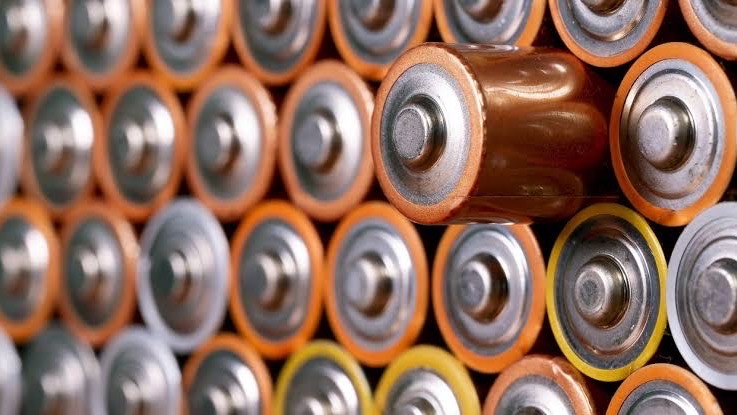
While most attention on Digital Product Passports focuses on the ESPR, the very first DPP to go live in the EU comes from a different law entirely: the EU Battery Regulation. From February 2027, certain batteries placed on the EU market will need a battery passport. It is the clearest preview we have of what's coming for everyone else.
A separate law, the same idea
The Battery Regulation has its own legal track, separate from the ESPR. But the concept is identical: a structured digital record, reachable from a QR code, carrying verified data about the product across its life. The EU is using batteries — a strategically critical, fast-growing category — as the proving ground for the passport model as a whole.
If you want to know what a mature DPP regime looks like, don't wait for your own delegated act. Look at batteries.
What the battery passport carries
The battery passport goes deep. Alongside the data points common to all passports, it includes battery-specific information such as:
- Chemistry and the materials used, including critical raw materials
- Carbon footprint across the battery's lifecycle
- Capacity, performance and durability
- State of health and expected lifetime — data that updates over the product's life
- Recycled content and information for safe recycling
That last point is important: the battery passport isn't a static snapshot taken at manufacture. Some of its data is expected to stay live, which raises the bar for how passport data is stored and maintained.
The lesson for other categories
Two things stand out for anyone in textiles, furniture, electronics or beyond.
First, the data requirements are detailed and specific to the product. A generic template won't do — each category needs its own schema of required fields, certifications and indicators. That is exactly why we built Luxima to be schema-driven rather than hard-coded to one industry: adding a category means adding a definition, not rewriting the platform.
Second, passports are living records. The data behind them changes, and a compliant passport has to keep up. Any approach that depends on manually re-exporting a spreadsheet every time something changes will not survive contact with reality. Compliance has to be continuous, which means it has to be automatic.
Batteries are first. The obligations they're meeting now are a map of where every other category is heading.